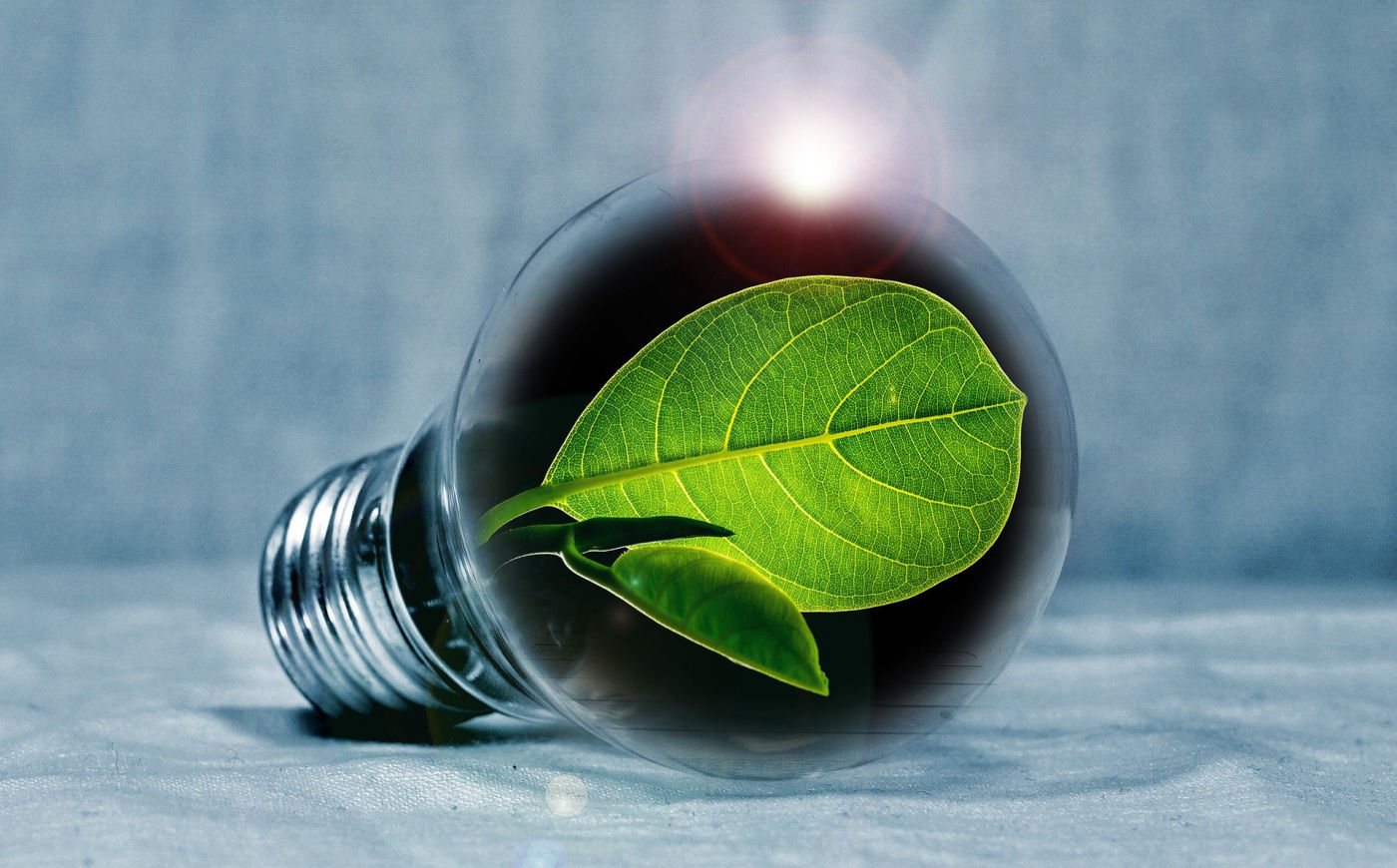
* LED LIGHTING UPGRADES: Converting all of your household lighting to LED is the quickest, cheapest, and easiest way to immediately lower your home energy use. LED lighting is now much cheaper than even a few years ago, lasts up to 50 years, and saves up to 90% electricity compared to incandescent lighting. The payback period for LED lighting upgrades in generally less than one year, after which you will continue to save money for decades to come. The average U.S. household can save about $225 in energy costs per year by using LED lighting. LED technology is available in many lighting product types including replacements for 40W, 60W, 75W, and 100W traditional incandescent bulbs, reflector bulbs used in recessed fixtures, and track lights, task lighting, undercabinet lighting, and outdoor area lights. LEDs come in a variety of colors, and some bulbs can be tuned to different colors or different hues of white light. Some are dimmable or offer convenient features such as daylight and motion sensors. LEDs work well indoors and outdoors because of their durability and performance in cold environments. You can also find solar-powered LED outdoor lighting. For high-quality products with the greatest energy savings, choose bulbs that have earned the ENERGY STAR label: Energy Star light bulbs.
* UPGRADE YOUR APPLIANCES: Modern appliances are, in general, far more energy efficient that those of even 10 years ago. Manufacturers are all striving to make their products more competitive and energy efficiency has become one of the most important criteria for many consumers. If your household appliances are approaching 10 years of use, seriously consider upgrading to Energy Star rated appliances. Energy Star ratings provide an easy way to determine the most energy efficient appliances available. The following are all rated by the Energy Star rating system: Refrigerators, freezers, dishwashers, clothes dryers, clothes washers, dehumidifiers, and window air conditioners. Find their ratings here: Energy Star appliance ratings.
* ELIMINATE VAMPIRE ENERGY DRAW: Most modern electronic equipment is designed to start up very quickly. In order to accomplish this, products such as TVs, computers, stereos, etc. are essentially always on, so that when you use your remote or tap on your keyboard, the unit begins immediately. Unfortunately, this convenience comes at a high energy cost; ‘always-on’ devices can add up to 25% to your energy bill. The process of keeping these devices always on is referred to as vampire energy draw, and you can easily eliminate this expensive and inefficient energy use with a few simple changes. Plug your ‘always-on’ devices into a smart power strip that has its own remote control and then simply turn on the power strip when you wish to use the device. Granted, there will be a slight delay as the device powers up, but you can use this time to consider other ways to confront climate change. Find out more about these power strips here: Smart power strips.
* UPGRADE YOUR HOME’S WEATHERSTRIPPING AND INSULATION: Most homes lose significant amounts of heated or cooled air through old and inefficient weatherstripping, insulation, and caulking. You can save up to 20% on your heating/cooling bills by upgrading these items. If you are handy, you can do much of this type of work yourself. Additionally, many electric utilities and states have programs to assist homeowners in this type of upgrade. Most utility companies also offer rebates worth hundreds of dollars for upgrades to insulation, weatherstripping, ductwork sealing, and other home energy efficiency improvements. Check with your utility company and also with local contractors experienced in weatherization. The US Energy Department also offers a Weatherization Assistance Program. To check for eligibility, click here: Weatherization Assistance Program. You can also find out more here: Weatherstripping info.
* CONSIDER A HOME ENERGY ASSESSMENT: To get a complete picture of the energy efficiency improvements that applicable to your own home, consider a home energy assessment. This type of assessment will review all of the areas of your home where energy savings are possible, including many of the issues outlined above. You can do a simple home energy assessment yourself. Click here for more information from the U.S. Department of Energy: DIY home energy assessment. Or you can choose to have a professional complete the assessment. Find qualified professionals here: Department of Energy qualified energy assessors. Or get an Energy Star Home Performance Assessment by clicking here: Energy Star Home Performance Assessment. Many utility companies provide this type of assessment at no cost to the consumer. Check with you local utility or click here for more information: Professional home energy assessments.
* FIND REBATES AND INCENTIVES FOR ENERGY EFFICIENCY IMPROVEMENTS: There are numerous rebates and incentives available for all manner of energy efficiency upgrades. Many utilities offer rebates for purchasing energy-efficient appliances and incentives for weatherizing your home. Check for these in your state here: Database of State Incentives for Renewables and Efficiency.
SHARE THIS PAGE!