GET A BETTER CAR
GET A HYBRID CAR
If you own a gas or diesel car, and must drive, trade it in on a hybrid electric vehicle. Today’s hybrid cars [and trucks] provide an amazing range of comfort, efficiency, and style. There are dozens of choices available–from every major car maker. Hybrids save you money and are much better for the atmosphere. They operate seamlessly between an electric motor and a standard gas engine, providing much better fuel efficiency than standard cars, often over 50 miles per gallon.
The most energy-efficient hybrids are plug-in electric hybrids. These cars have considerably larger batteries than standard hybrids, allowing you to drive many miles on electric power only, before reverting to standard hybrid propulsion. This provides the efficiency of an electric-only car for local driving combined with the distance-driving capability of standard hybrids. Examples of plug-in hybrids are the Chevy Volt and Toyota Prius Prime. But all major auto manufacturers are bringing plug-in hybrids to the market. Check them out today by clicking on this listing:
PLUG-IN HYBRID CARS LISTING
* Install 240 volt power in your garage. An additional step that you can take for the future is to add a 240 volt electric circuit to your current garage. Doing so will eventually allow you to install a faster–and more efficient–battery charger in your home garage. This will provide you with the ability to recharge either a future plug-in hybrid or fully electric car much faster than typical 120 volt circuits. Here is a link to information about such installation:
INSTALLING 240 VOLT CHARGING
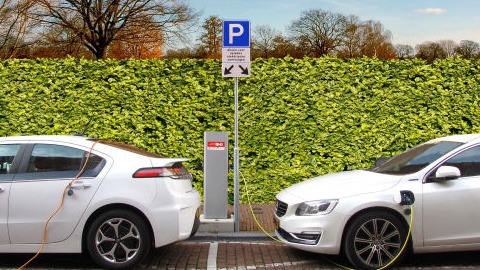
GET AN ELECTRIC CAR
If you already own a hybrid car, or just need a new car, consider an electric plug-in car. If we have any hope of eliminating human carbon emissions, electric-only cars are the future of vehicle transportation and we seniors can be at the forefront of this wave. They are the least carbon-intensive form of driving available.
Electric cars are far better for the environment as they have no emissions [other than from the electricity source that will charge the batteries]. And, that electricity can be generated in a renewable manner that does not add carbon to the atmosphere; something gasoline can never achieve. Electric vehicles also require less expensive and less frequent maintenance.
They are quieter than gas vehicles. And there are tax credits available for owners of electric cars [see below].
Every major car manufacturer has electric vehicles under development and already available. Today’s electric vehicles are already providing cars that equal or exceed the distance that fossil-fuel vehicles can travel before refueling or recharging. There are now dozens of models to choose from. Click on this listing to see all of the electric vehicles that are available today:
ELECTRIC CARS LISTING
* Federal and State Rebates and Credits.
The federal and many state governments offer various tax incentives and rebates for the purchase of electric vehicles. The federal EV rebate is for up to $7,500 and is available for all EV purchases except the Chevy Volt, Cadillac EVs, and Tesla EVs [which have reached their maximum allowable total rebate amount]. To find out what is available for your state, click on the blue link below:
ELECTRIC VEHICLE REBATES/INCENTIVES
* Find Electric Vehicle Charging Stations.
If you are concerned about where electric car charging stations are located near you, the U.S. Energy Department provides an up-to-date listing of all public charging stations.
ELECTRIC CAR CHARGING STATIONS
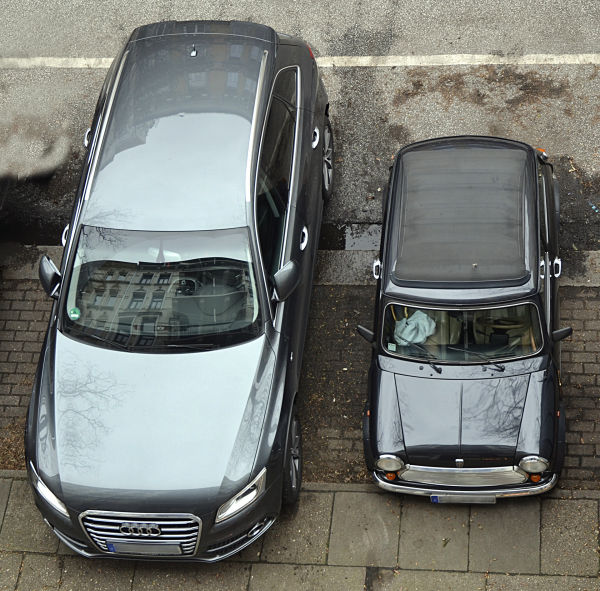
AT LEAST DOWNSIZE
and DRIVE LESS
If you must drive a fossil-fuel vehicle [for example, for work], at least downsize your vehicle to the smallest, lightest, and most fuel-efficient one you can. If you can afford it, trade in your fuel-hungry vehicle today. Pickup trucks and SUVs generally have the worst fuel efficiency of any personal vehicles. And most SUV and pickup truck owners don’t actually need such a large gas-guzzling vehicle. Instead of owning an SUV or pickup, consider owing a small car and then using small trailer for those times you may need to haul a load.
Household transportation emissions are the largest single component of individual carbon footprints. Everything that you can do to lower your use of fossil fuels will help in the fight against climate change. So, whatever vehicle you do have, try to drive it less too:
* Combine your trips;
* Use your bike more;
* Walk more for short trips;
* Use public transportation more;
* Car-share with friends or family;
* Don’t idle your car while waiting;
* Unload any excess weight;
* Keep your vehicle in top shape;
* Purchase carbon offsets for car travel:
* CLEAR CARBON OFFSETS are one of the best ways to offset the carbon emissions from your car travel if you are driving a fossil-fuel vehicle. Their program invests directly in renewable energy and emission-reduction projects. You can use their easy online calculator to determine how much you will need to offset your personal driving carbon emissions.
CLEAR CAR TRAVEL CARBON OFFSETS
SHARE THIS PAGE!