HEAT PUMPS: Heat pumps have both heating and cooling capabilities and are far more energy efficient than any type of fossil-fuel based home heating system, whether it is natural gas or heating oil-based. This is because they transfer warm air rather than converting it from burning fossil fuels. There are two main types of heat pumps: Ground source [or geothermal], which exchange heat with the ground and Air source [or air-to-air], which exchange heat with the outside air. They both extract heat from one source at a lower temperature and transfers it to another place at a higher temperature, thereby cooling the first and warming the second. In cold weather, a heat pump will pull heat from the ground or air and exchange it with the cooler air in the home, thus warming the home. Likewise, during warm weather, the heat pump with extract warm air from the home and transfer it to the outside air or ground. For general information on upgrading to heat pumps: Clean heating and cooling.
* Ground Source [or Geothermal] Heat Pumps: These are the most efficient heat pumps available as they use the relatively constant temperature of the ground as the medium for cooling or heating a home’s air. They are nearly 50% more efficient that standard heating and cooling options. They are also somewhat more expensive as piping must be installed underground to facilitate this exchange of heat. Although they have a higher initial cost, their excellent efficiency provides a relatively rapid pay-back of expense due to the energy cost savings over other types of heating and cooling. If you are interested in this type of home HVAC conversion, you will need to contact a local contractor that is experienced in this type of system. You can learn more about these units here: Geothermal heat pumps. And you can find Energy Star ratings for these systems here: Energy Star geothermal heat pumps.
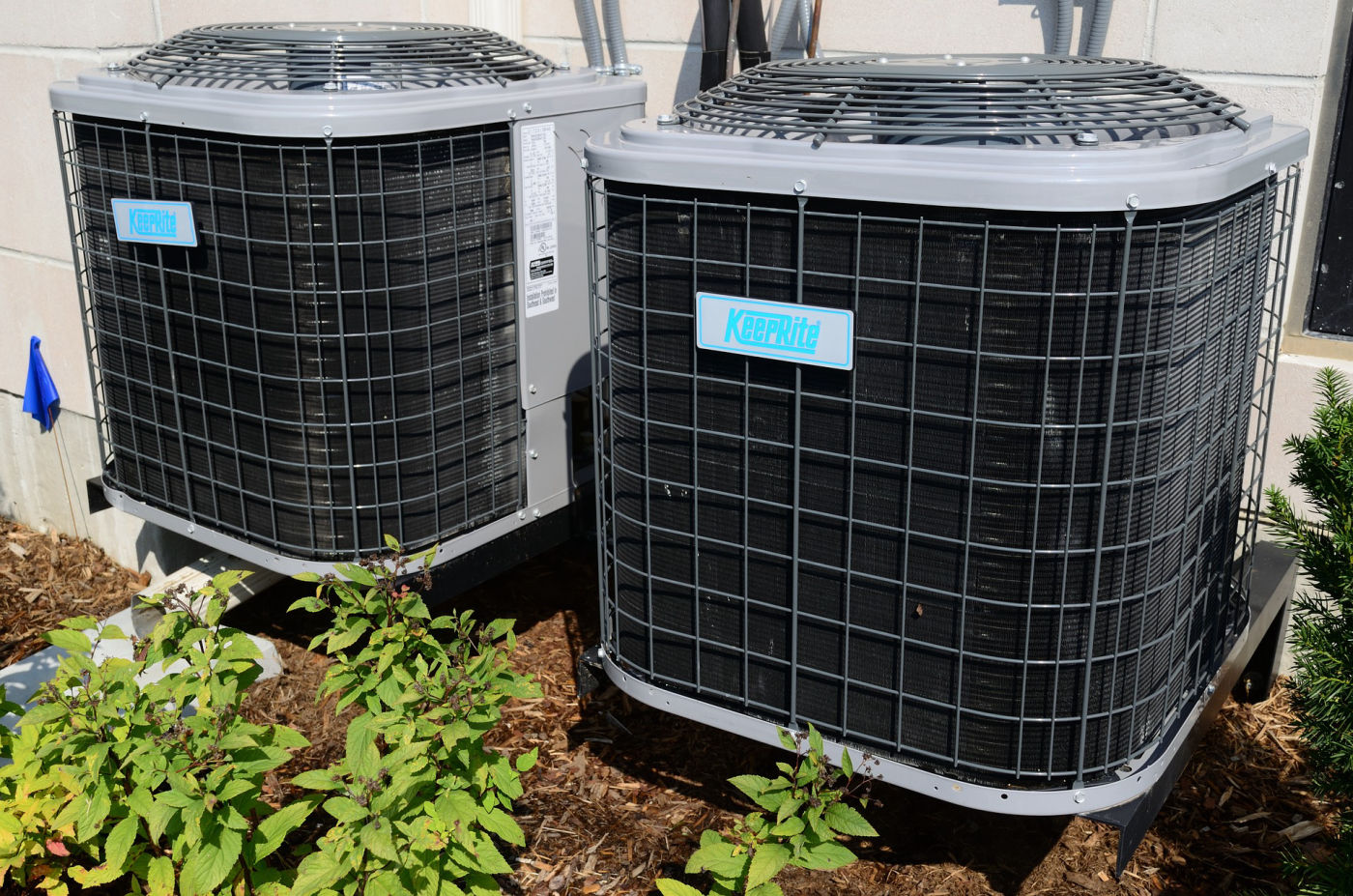
* Air Source Heat Pumps: Although not as efficient as ground source heat pumps, air source heat pumps are still much more efficient that fossil-fuel based heating systems. These units have a heat exchanger located outside of the home and some way to disperse the heated or cooled air into the home, either through ductwork or by using a wall mounted diffuser in what is called a mini-split system. Ductless mini-split systems can also be single or multi-zone; that is, heating/cooling one room or many. Single-zone systems are designed for a single room with one outdoor condenser matched to one indoor head. Multi-zone installations can have two or more indoor coils connected to one outdoor condenser, allowing you to heat or cool individual rooms, hallways, and open spaces. There are also numerous ways that air source systems can be linked to other existing systems like solar heating or air conditioning units. Again, you will need to contact a local contractor that is experienced in this type of installation for advice on what will work best in your home. Learn more about the various types of air source heat pumps here: Air source heat pumps. And find EnergyStar rated ducted heat pumps here: Energy Star ducted heat pumps. Find duct-less or mini-split heat pump ratings here: Energy Star ductless heat pumps.
WATER HEATING: Water heating typically accounts for between 15-20 percent of your home energy bill. If your water heater is a gas-fired unit, consider retrofitting it to an electric heater.
* Tank Electric Water Heaters: A tanked electric water heater is safer and typically easier to operate than the standard gas water heater. Since the system operates purely on electrical power, you never have to bother turning the gas on to start it. This conversion should be relatively simple to have installed and modern electric water heaters are quite energy efficient, as long as you keep the temperature set to a moderate heat. Look for heaters that are EnergyStar approved. You can find them here: Energy Star electric water heaters.
* Tankless Electric Water Heaters: You may also wish to upgrade to an on-demand tankless electric water heating system. The main advantage is that they eliminate the extra cost of keeping 40 to 50 gallons of water hot in a storage tank, so you waste much less energy. By heating water on demand, tankless units can reduce energy use by 24 to 34 percent compared to traditional tank water heaters. They also last up to twice as long as a typical tank water heater, thus making them cost-effective in the long run. Find out more here: Tankless water heaters. Despite the fact that electric tankless water heaters can significantly reduce energy use and carbon emissions, Energy Star ratings for these units have not been set.
STOVES: Whether you cook on a gas or electric range is often based on what your childhood range was. Professional cooks have long preferred gas cooking, but that is rapidly changing as the emergency of climate change becomes more recognized. Electric ranges are usually cheaper than gas in upfront costs and are normally about equal is annual energy costs. Electric ranges are also far safer and easier to install and maintain. So, if you are going to replace your gas range [or even if you are not!], you should seriously considers switching to electric. Kitchen stoves are also not yet Energy Star rated. You should also consider using either a microwave oven more often, or using a new air-fryer type cooker. Both of these alternatives are much more energy-efficient: microwaves because they do not need to heat up anything but the water molecules in the food being cooked; and air fryers because they do not need to heat up all of the air in a typical stove to achieve the optimal cooking temperature.
* Induction Cooktops: An even more efficient electric alternative is an induction cooktop, where magnetic induction is used to heat only the cooking vessel. This relatively new type of cooking has many advantages over both gas and electric ranges: It is much safer as the cooktop itself does not become hot; it is far more energy efficient as only the cooking vessel is heated; it heats the cooking pot or pan almost instantly; it is much more precise in holding a particular temperature; and when the cooktop is turned off, heating stops immediately. Although more expensive up front, an induction range will save you money and energy in the long run. For more information click here: Induction Cooktops.
CLOTHES DRYING: This home appliance is often gas-fired. Although gas dryers may be a little cheaper to run than electric dryers, they are more expensive up front. And the issue is that you are trying to eliminate the direct use of fossil fuels in your home. In order to completely eliminate the use of natural gas or propane in your home, replacing your gas dryer should be on your list of upgrades to address climate change. Modern electric dryers are much more efficient that their earlier predecessors and do an excellent job drying clothes. Even better, of course, is letting the sun do this work by line-drying your laundry when ever possible. Energy Star rated clothes dryers are at least 20 percent more efficient that standard modern electric dryers. Find them here: Energy Star Electric Dryers.
LAWN MOWING: Nearly all home lawn mowers are currently run with gasoline engines. These engines are notoriously inefficient and spew carbon emissions that belie their small size. According to one source , “there may be more acres of lawn than the [combined] eight largest irrigated crops.” The process of mowing lawns consumes very large amount of gas; the U.S. Department of Energy estimates 1.2 billion gallons per year. This translates to CO2 emission estimates of over 25 billion pounds from U.S. lawn mowers every year.
Electric lawn mowers have evolved very rapidly in recent years and are now much more affordable than ever and far more efficient. The EPA found that gasoline-powered lawn mowers emit eight times more nitrogen oxides, 3,300 times more hydrocarbons, 5,000 times more carbon monoxide and more than twice the CO2 per hour of operation than electric lawn mowers. Changing to an electric battery-powered mower is one of the easiest ways to eliminate fossil fuel use in your household. Modern electric mowers are available as push-style and now even as riding-style lawn tractors. They can be found at all big box home improvement stores and many online retailers, including Amazon.com.
For a buying guide for push-style electric mowers, please click here: Electric Lawn Mowers.
For a buying guide for riding electric mower/tractors, please click here: Riding Electric Mowers.
SHARE THIS PAGE!